

SAATI
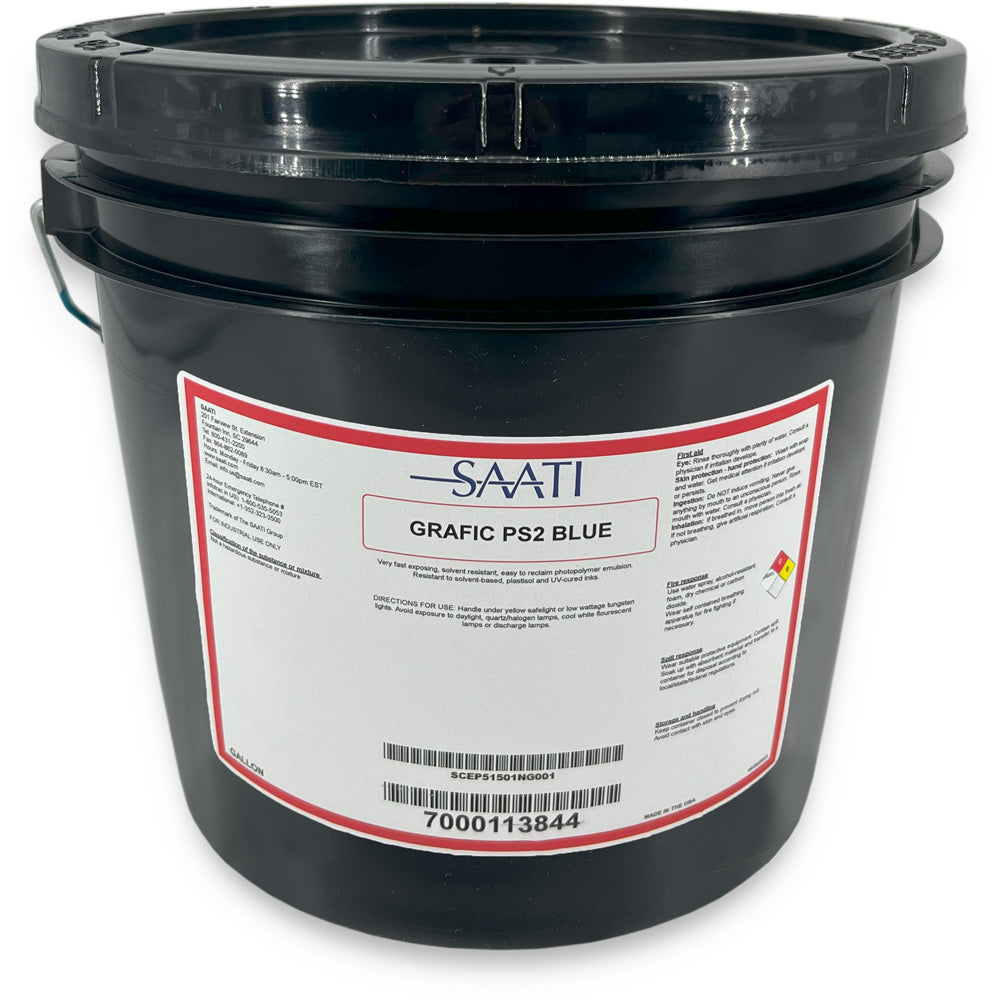
GRAFIC PS2 BLEU (Émulsion)
GRAFIC PS2 BLEU (Émulsion) - 1 Unité (1 Gallon)
SKU:
Remarque : Il est déconseillé d'expédier de l'émulsion lorsque la température est inférieure au point de congélation. Veuillez effectuer votre achat à vos risques et périls, car nous ne pouvons garantir l'intégrité de l'émulsion si elle gèle pendant le transport. Toutes les commandes d'émulsion passées par temps froid sont des ventes fermes.
SAATI GRAFIC PS2 BLUE est une émulsion photopolymère graphique polyvalente. Utilisée pour l'impression textile et graphique générale. Conçue pour être utilisée avec des encres plastisol et graphiques, non pour les encres à base d'eau, car elle n'y résiste pas.
Caractéristiques
- Émulsion photopolymère pure bleue
- Résistante aux encres à séchage UV, aux plastisols et aux encres à base de solvants
- Exposition trois fois plus rapide que les émulsions diazo ou double durcissement, sans mélange requis
- Très facile à récupérer
- Très résistante aux solvants
Caractéristiques/Avantages
- Émulsion monocomposant remplaçant les émulsions bicomposants résistantes aux solvants sans mélange, sans taches et avec une longue durée de conservation
In stock
Impossible de charger la disponibilité du service de retrait
Product Resources
Souvent acheté avec
-
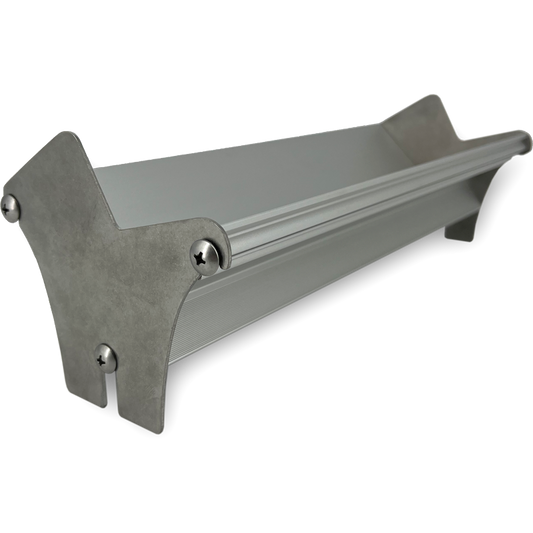
Enduiseur d'émulsion Monster-Max II
MMSC4 + MMENDCAPPrix habituel Du $36.00 CADPrix habituelPrix unitaire par -
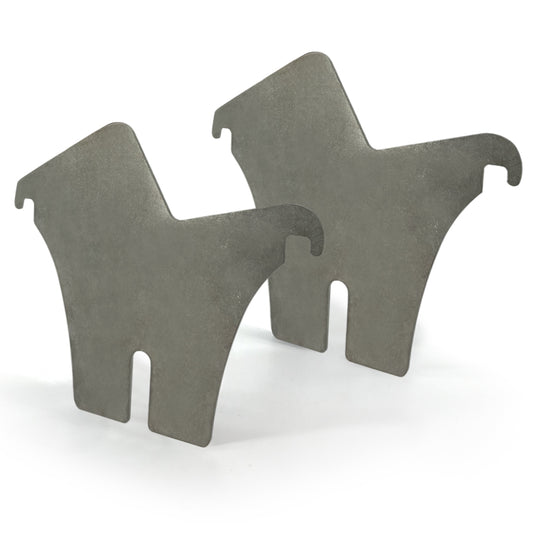
Bouchons d'extrémité pour coucheuse à émulsion Monster-Max II
MMENDCAPPrix habituel $24.00 CADPrix habituelPrix unitaire par -
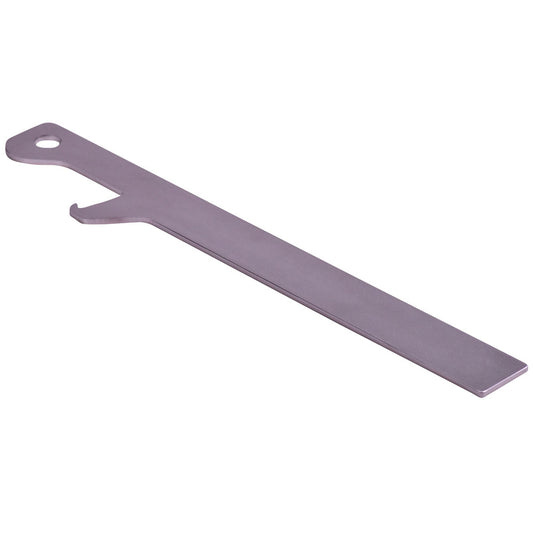
Emulsion Buddy
EMULSIONBUDDYPrix habituel $24.00 CADPrix habituelPrix unitaire par
Additional Information
Handle under yellow safelight or low wattage tungsten lights. Avoid exposure to daylight, quartz/halogen lamps, cool white fluorescent lamps or discharge lamps.
-
Sensitizing & Mixing
Emulsion is presensitized during production and does not require mixing.
-
Mesh Preparation & Degreasing
Degrease and abrade new mesh with SAATI Direct Prep 1 in order to optimize stencil adhesion; dry and store the screen in a dust free, dry environment prior to coating. For more applications, thoroughly degrease the mesh prior to use with SAATI Direct Prep 2.
-
Coating
Using a high quality scoop coater or coating through, apply one or two coats to the substrate side of the screen, followed by one or two coats on the squeegee side. For a thicker stencil, apply additional coats to the squeegee side prior to drying. For a higher quality stencil with a minimal increase in stencil thickness, apply one or two additional coats to the substrate side of the screen after the initial coats have dried.
-
Drying & Storage
Thoroughly dry the coated screen at a maximum temperature of 104°F (40°C) in a dust free, dark or yellow light area, with the substrate side facing down to optimize stencil quality. Coated screens should be stored in a dust free, dry, safelight environment.
-
Exposing
Ensure that all surfaces, emulsion, film and glass are free of dust to minimize pinholes. Contact the emulsion side of the positive with the substrate side of the screen and secure in position before placing the screen in a suitable vacuum frame. Many variables, such as lamp type and age, distance from lamp to screen, mesh type and coating thickness, can affect exposure time. Perform an exposure test with an exposure calculator to determinate correct exposure time for a complete cure.
-
Developing
Wet both sides of the screen with a strong, finely divided spray of water and continue washing out until all image areas are fully open. Rinse both sides of the screen and dry thoroughly before use. A properly exposed and developed screen will not leave residues on the squeegee side.
-
Post Exposing
Post expose with daylight or exposure lamp to produce a more water-resistance stencil.
-
Reclaiming
Remove all ink residues immediately after printing with either SAATI Ink Remover IR11 or IR18. Remove stencil with SAATI Emulsion Remover ER1, ER2, ER5, ER6 or ER10. For stains and ghost images, use SAATI Haze Remove HR3 or HR9 followed by a pressure washer.
-
Poor Coating Quality
• Properly clean, degrease and rinse the screen to remove all residues and traces of chemicals
• Properly and evenly tension the fabric
• Clean and ensure the scoop coater does not present any defect edge
-
Poor Detail or Difficulty Washing Out Image
• Ensure emulsion and coated screens are handled in safelight conditions only
• Ensure a minimum vacuum of 0.66 bar (500 mmHg or 20 in Hg) on vacuum gauge for optimum contact of the positive
• Optimize exposure time and use only high quality film positives
• Do not store sensitized emulsion or coated screen at high temperatures
-
Emulsion Falls Off, Extreme Pinholes or Severe Stencil Breakdown During Printing
• Ensure that damp screens are not being exposed
• Only expose screens with an even and consistent coating thickness
• Ensure that stencil has not been severely underexposed
• Ensure mixed emulsion is not too old, has been correctly sensitized and has not been stored at high temperature
-
Difficulty Reclaiming Screens
• Not reclaimable once catalyzed
• Optimize exposure time and properly rinse the squeegee side of the screen during developing to remove all residual traces, especially when using higher mesh count dyed fabric
When sealed in the original container and stored in cool conditions, SAATI products will maintain their original properties for one year from the date of production.